Sewing is Cheaper Than Therapy: A Designer's Review
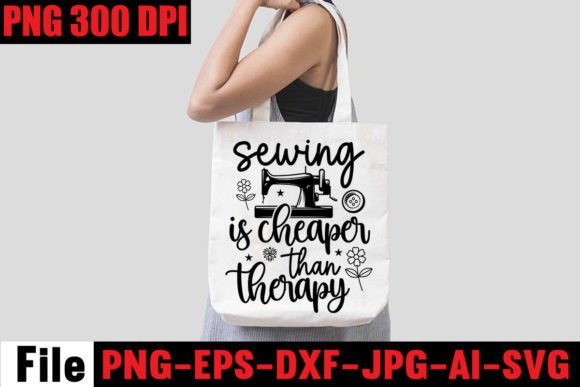
When I first laid eyes on the Sewing is Cheaper Than Therapy design, it immediately struck me as a playful and relatable statement. The whimsical yet straightforward typography captures a sentiment that many of us in the crafting community can deeply appreciate. This design not only speaks to the heart but also promises a visually appealing addition to various embroidery projects.
A Closer Look at the Design
The layout of Sewing is Cheaper Than Therapy is clean and balanced, making it ideal for both simple and more intricate embroidery projects. The font choice is bold and legible, which is crucial for embroidery, especially when working with smaller stitch areas or detailed corners. The overall mood it creates is light-hearted and fun, perfect for adding a touch of humor to any project.
Ideal Embroidery Projects
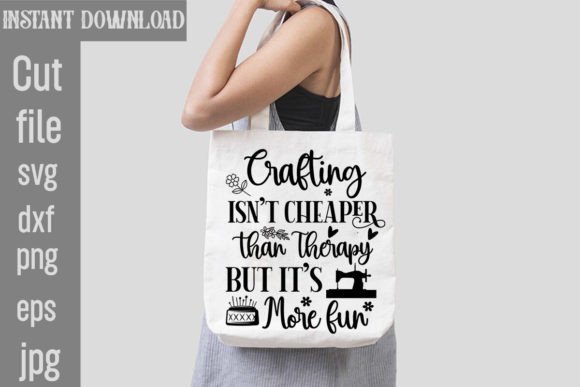
This design naturally fits into a wide range of embroidery projects. For instance, imagine embroidering this on a custom tote bag. The message would be a delightful conversation starter, and the simplicity of the design ensures it stands out without overwhelming the viewer. Similarly, it would make a charming addition to a sweatshirt, creating a cozy and humorous piece of apparel.
- Tote Bag Design: Perfect for a casual, everyday use item that can spark joy and laughter.
- Sweatshirt Embroidery: Adds a personal and humorous touch to a comfortable, everyday wear item.
- Baby Embroidery: While perhaps not the most fitting for baby items, it could be a fun and quirky addition to a baby onesie for a crafty parent.
- Holiday Embroidery: Consider using this design on holiday-themed items like tea towels or aprons, adding a festive and lighthearted touch.
Performance in Real-Life Embroidery Situations
In real-life embroidery situations, Sewing is Cheaper Than Therapy holds up well. The clear and bold lettering ensures that the message is easily readable, even from a distance. When embroidered on a t-shirt, the design adds a professional and polished look, enhancing the visual appeal and value of the finished product. It’s also a great fit for personalized gifts, such as embroidered patches or pillow covers, where the message can resonate with the recipient.
Where to Use Carefully
While Sewing is Cheaper Than Therapy is versatile, there are a few scenarios where you should exercise caution. For example, when working with small hoop sizes, the design might need to be resized to ensure all details are captured. Additionally, on textured or stretchy fabrics, the design may require a stabilizer to maintain its shape and clarity. Dark fabrics can also pose a challenge, so it’s important to choose thread colors that provide good contrast.
- Small Hoop Sizes: Test the design on scrap fabric to ensure it fits and looks good within the constraints of a small hoop.
- Textured Fabrics: Use a stabilizer to prevent the design from distorting on textured surfaces.
- Stretchy Fabrics: Apply a stabilizer to maintain the integrity of the design on stretchy materials.
- Dark Fabrics: Choose thread colors that offer high contrast to ensure the design is visible and legible.
Enhancing Visual Appeal and Product Value
Embroidering Sewing is Cheaper Than Therapy on your products can significantly enhance their visual appeal and perceived value. The design’s clarity and readability make it an excellent choice for both personal and commercial projects. Whether you’re creating a custom apparel line or designing a boutique product, this design can help build customer trust and engagement. It’s a design that resonates with a wide audience, making it a valuable asset for Etsy sellers and small shop owners looking to add a unique and relatable touch to their merchandise.
Practical Embroidery Designer Notes
Before incorporating Sewing is Cheaper Than Therapy into your embroidery projects, here are some practical tips to keep in mind:
- Test on Scrap Fabric: Always test the design on a scrap piece of fabric to ensure it stitches cleanly and looks as expected.
- Check Thread Color Contrast: Ensure the thread colors you choose provide good contrast, especially on dark or textured fabrics.
- Review Stitch Density: Check the stitch density to ensure the design is neither too dense nor too sparse, which can affect the final appearance and durability.
- Confirm Hoop Size: Make sure the design fits within your hoop size and adjust if necessary.
- Inspect Small Details: Pay close attention to small details and corners to ensure they are clearly defined and well-stitched.
- Use Proper Stabilizer: Use the appropriate stabilizer for the type of fabric and project to maintain the design’s quality and longevity.
- Check Licensing: If you plan to sell finished items or digital products, confirm the licensing terms to ensure you are compliant with the designer’s requirements.
By following these tips, you can ensure that Sewing is Cheaper Than Therapy enhances the quality and appeal of your embroidery projects, whether you’re creating for personal use or for your craft business.